

Heavy rain can quickly expose hidden gutter problems. Even if your guttering looks fine most of the year, a period of intense rainfall often reveals leaks, blockages or alignment issues that go unnoticed in dry weather.
If you’ve just experienced heavy rain and noticed overflowing gutters, dripping water or damp patches, here’s what to check, why these issues happen, and when to call a professional.
Why Heavy Rain Causes Gutter Problems
Gutters are designed to handle rainfall, but they rely on:
- Clear channels
- Correct alignment
- Secure joints and brackets
During heavy rain, water flows faster and in larger volumes. As a result, any weakness in the system becomes obvious very quickly.
1. Overflowing Gutters
Overflowing is one of the most common issues after heavy rain.
What to look for
- Water spilling over the front edge
- Water cascading down walls
- Overflow at corners or joints
Likely causes
- Blocked gutters full of leaves or moss
- Downpipe blockages
- Gutters that don’t have enough fall
What to do
Start with gutter cleaning. If overflow continues after cleaning, the gutter may need realigning or repairing.
2. Leaking Gutter Joints
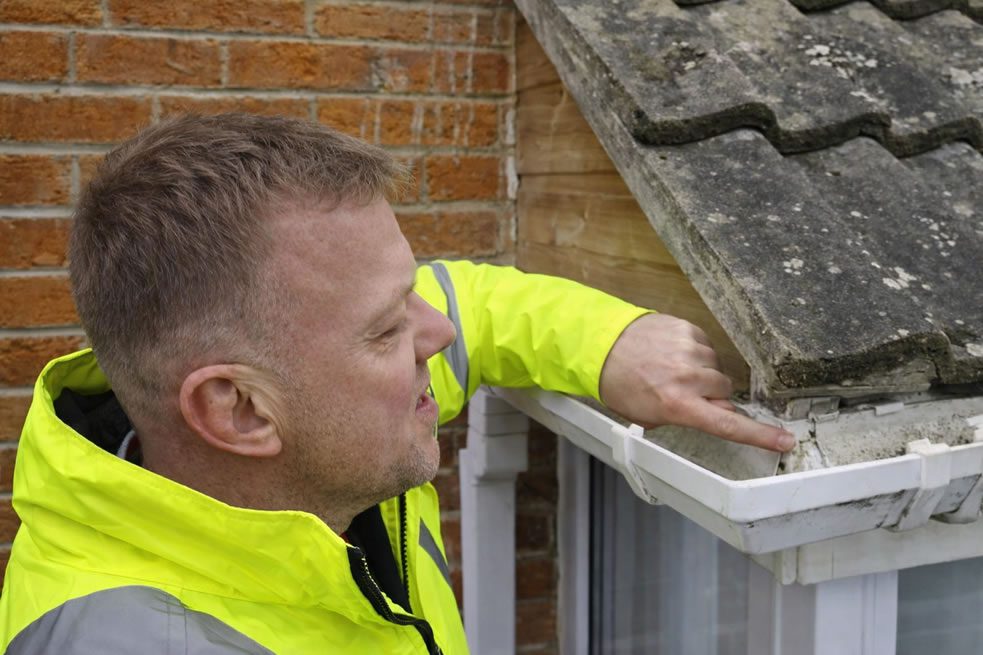
Heavy rain puts extra pressure on gutter joints. Worn seals often fail when water volume increases.
What to look for
- Drips from joints or corners
- Water spraying during rainfall
- Staining on brickwork below joints
Likely causes
- Perished rubber seals
- Poor installation
- Movement caused by temperature changes
What to do
Joint resealing or replacement usually fixes the issue quickly.
3. Sagging or Misaligned Gutters
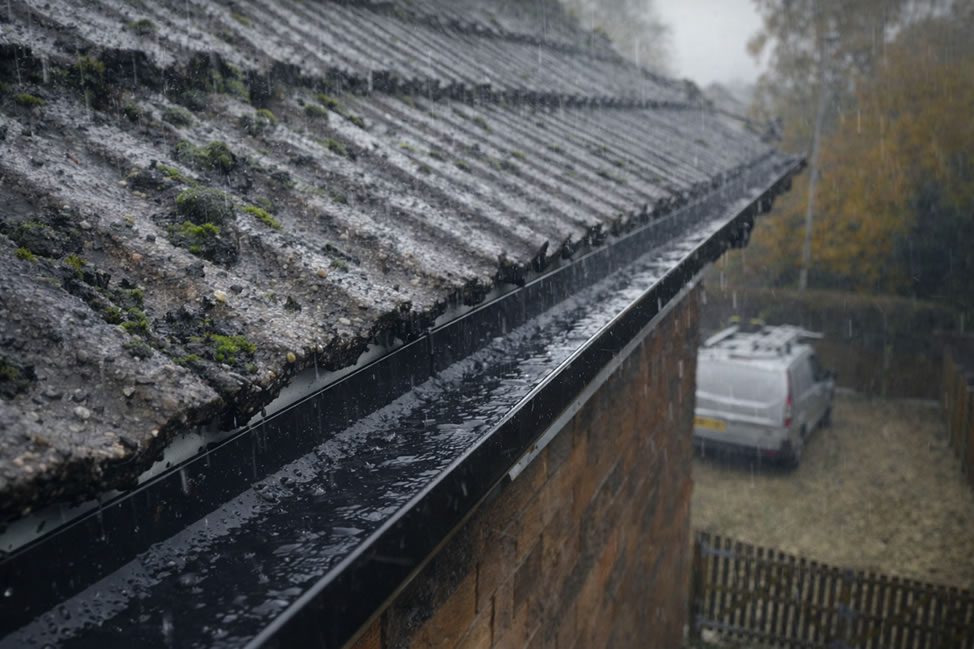
When gutters sag, water pools instead of flowing towards the downpipe. Heavy rain then causes overflow.
What to look for
- Visible dips in the gutter run
- Standing water after rain
- Brackets pulling away from fascia
Likely causes
- Loose or broken brackets
- Excess weight from debris
- Age-related movement
What to do
A professional can realign the gutter and replace faulty brackets.
4. Leaking or Blocked Downpipes
Sometimes the problem isn’t the gutter itself.
What to look for
- Water backing up during rain
- Drips from downpipe joints
- Gurgling sounds in the pipe
Likely causes
- Debris lodged inside the pipe
- Failed downpipe joints
- Cracked sections
What to do
Downpipes usually need clearing, resealing or section replacement.
5. Water Running Down Walls
After heavy rain, water tracking down walls is a major warning sign.
What to look for
- Wet brickwork
- Dark streaks or algae growth
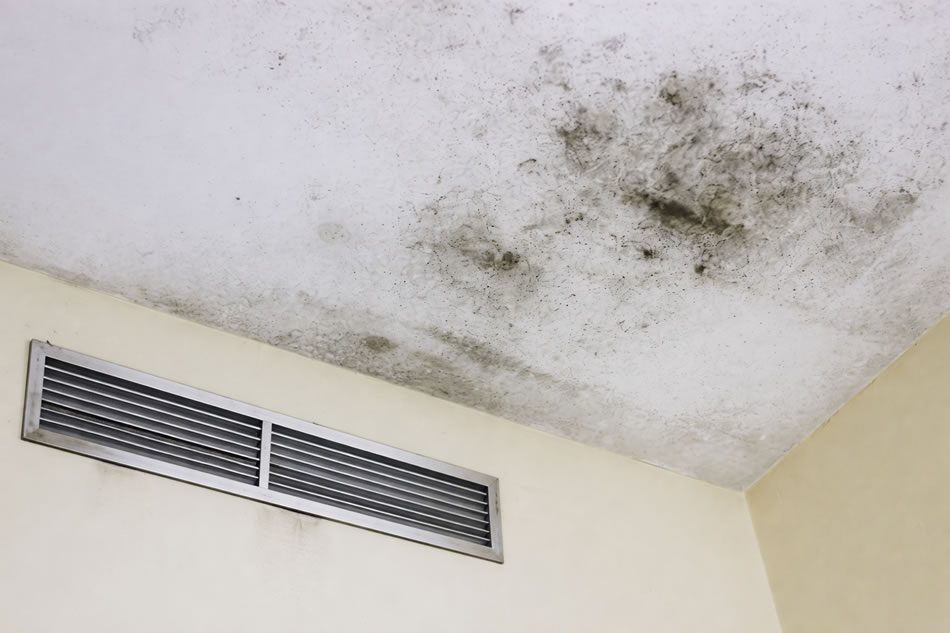
- Damp patches indoors
Likely causes
- Leaking gutters or joints
- Overflow due to blockages
- Incorrect gutter positioning
What to do
This should be addressed quickly to prevent damp, mould and internal damage.
6. Damage to Fascias and Soffits
Prolonged overflow during storms can damage roofline timbers.
What to look for
- Peeling paint
- Soft or swollen timber
- Staining under the gutter line
Likely causes
- Long-term gutter leaks
- Repeated overflow
- Poor drainage
What to do
Fixing the gutter issue early helps avoid costly fascia and soffit repairs.
Is It Safe to Check Gutters Yourself After Heavy Rain?
You can safely check:
- Visible overflow during rain
- Signs of dripping
- Staining on walls
However, working at height is dangerous, especially after wet weather. Most gutter inspections and repairs are safer when carried out by professionals with the right equipment.
How Quickly Should Gutter Problems Be Fixed?
Gutter issues exposed by heavy rain should be addressed as soon as possible.
Delaying repairs can lead to:
- Damp and mould
- Rotting fascias
- Brickwork damage
- Foundation issues
Early action keeps repair costs low.
How to Prevent Gutter Problems After Heavy Rain
To reduce future issues:
- Clean gutters at least once a year
- Check gutters after storms
- Repair small leaks early
- Keep downpipes clear
- Book regular inspections
Preventative maintenance is far cheaper than emergency repairs.
When to Call a Gutter Repair Specialist
If you notice leaks, overflow or damp after heavy rain, a professional inspection can quickly identify the cause and recommend the right fix.
Get Help With Gutter Problems After Heavy Rain
If recent heavy rain has caused gutter problems at your property, don’t wait for damage to worsen.
👉 Compare free quotes from trusted guttering specialists near you and get your gutters fixed properly.
Frequently Asked Questions About Gutter Problems After Heavy Rain
Why do gutter problems only appear after heavy rain?
Heavy rain increases water volume and flow speed. This quickly exposes blocked gutters, leaking joints, poor alignment or downpipe issues that may not show during lighter rainfall.
Is gutter overflow always caused by a blockage?
Not always. While blockages are common, overflow can also be caused by sagging gutters, incorrect fall, leaking joints or downpipes that cannot cope with water flow.
Can heavy rain damage gutters?
Yes. Prolonged heavy rain can worsen existing faults, loosen brackets, stress joints and accelerate wear, especially if gutters are already blocked or misaligned.
Should I check my gutters immediately after heavy rain?
Yes. Heavy rain is one of the best times to spot problems such as leaks, overflow and poor drainage. However, inspections should be done safely from ground level.
Can gutter problems after heavy rain cause damp?
Yes. Overflowing or leaking gutters can soak external walls, leading to damp patches, mould growth and internal damage if not fixed quickly.
When should I call a professional after heavy rain?
If you notice repeated overflow, dripping joints, water running down walls or damp indoors, it’s best to call a professional to inspect and repair the guttering safely.