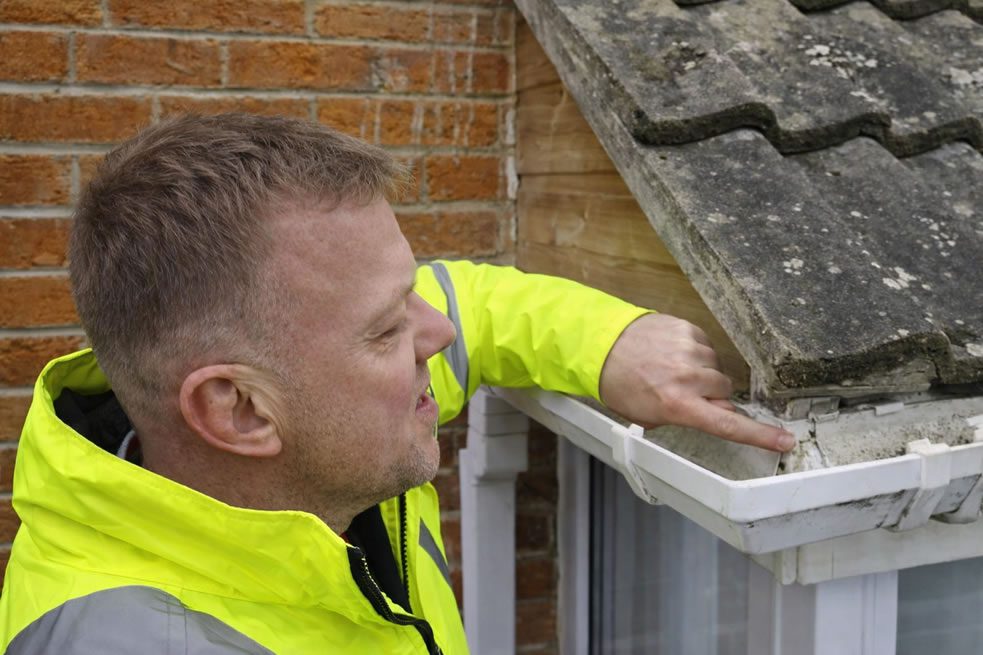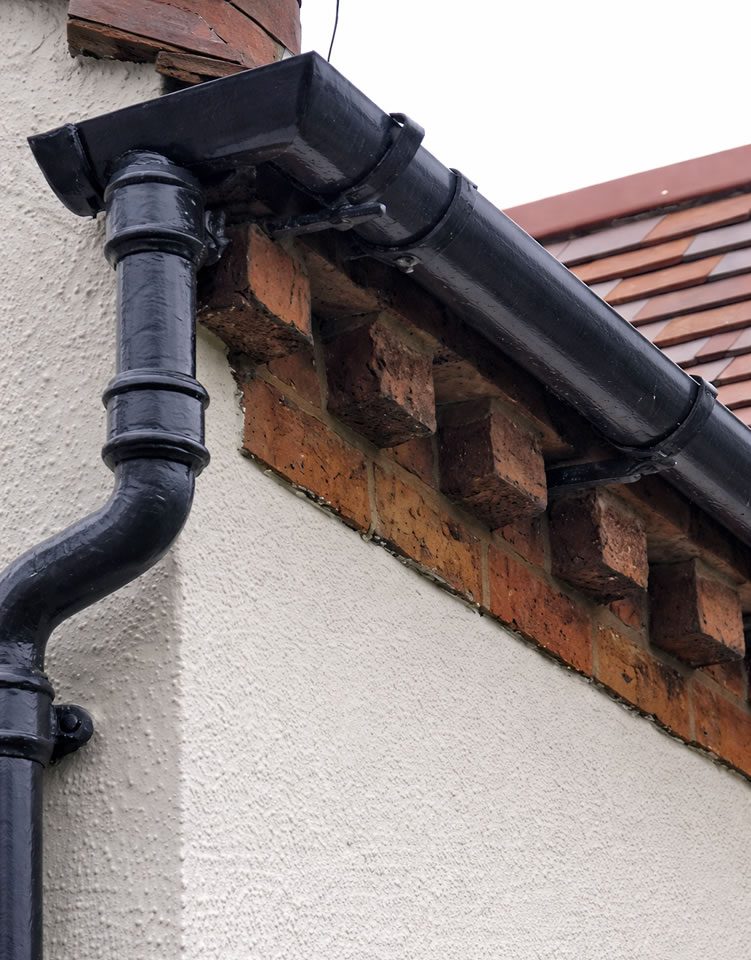

Leaking gutters might seem like a minor exterior issue. However, they are one of the most common hidden causes of damp and mould inside UK homes. Over time, even a small gutter leak can allow large amounts of water to soak into walls, brickwork and roof timbers.
If you’re noticing damp patches, peeling paint or mould indoors, your guttering could be part of the problem.
How Leaking Gutters Lead to Damp Problems
Gutters are designed to carry rainwater safely away from your property. When they leak or overflow, water no longer follows the intended drainage route.
Instead, water can:
- Run down external walls repeatedly
- Soak into brickwork and mortar
- Enter wall cavities
- Track into internal plaster and insulation
Because this happens gradually, many homeowners don’t realise gutter leaks are the cause until damp becomes visible indoors.
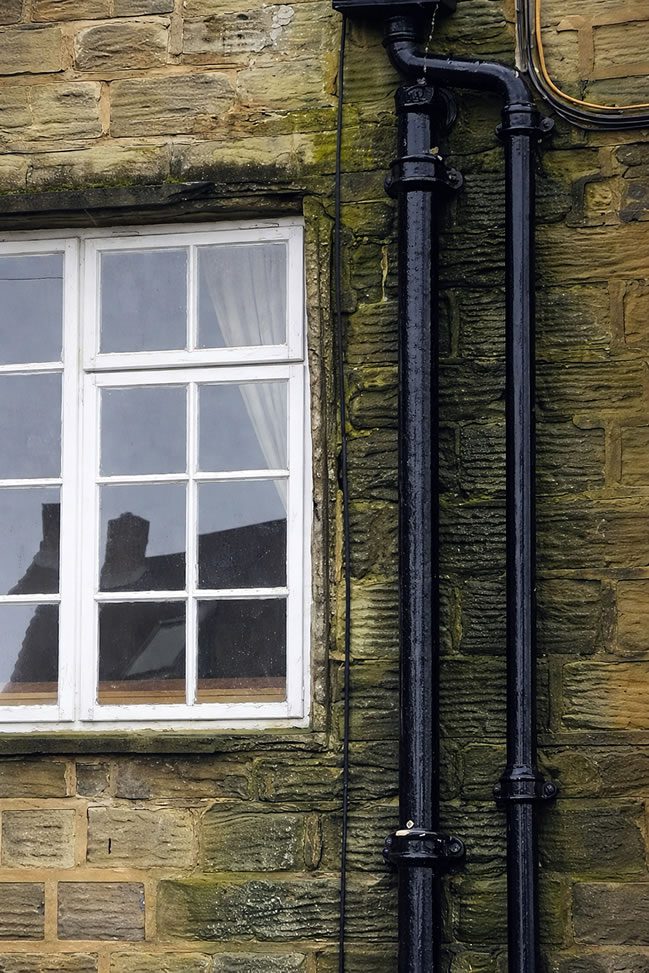
Common Damp Signs Linked to Gutter Leaks
Leaking gutters often cause specific damp symptoms that appear near external walls.
Typical signs include:
- Damp patches on internal walls
- Peeling paint or bubbling plaster
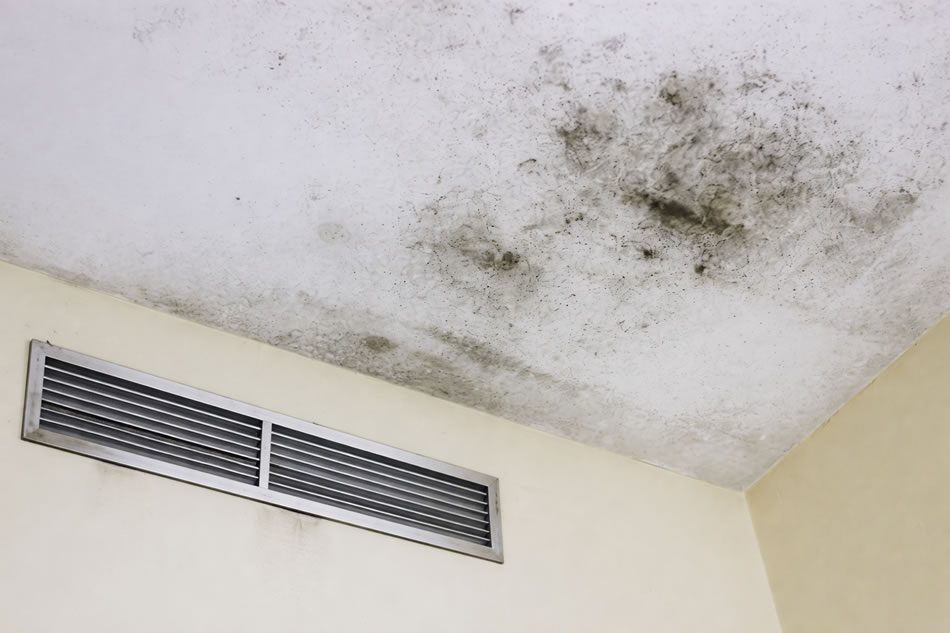
- Black mould around window reveals
- Musty smells indoors
- Cold or damp-feeling walls
- Staining on exterior brickwork
If these signs appear after rainfall, leaking gutters are a likely contributor.
Why Mould Develops When Gutters Leak
Mould thrives in damp, poorly ventilated environments. When gutter leaks allow water to penetrate walls, moisture becomes trapped inside the building fabric.
As a result:
- Walls remain damp for long periods
- Insulation loses effectiveness
- Condensation forms more easily
- Mould spores begin to grow
Once mould takes hold, it can spread quickly and become difficult to remove without addressing the source of moisture.
Areas of the Home Most Affected
Leaking gutters tend to cause damp and mould in predictable areas, including:
- Upper rooms near rooflines
- Bedrooms on external walls
- Chimney breasts
- Corners of rooms near gutter joints
- Ground floor walls near downpipes
Because water often travels inside walls, the visible damp patch may not appear directly below the leak.
Can Blocked Gutters Cause Damp Too?
Yes. Blocked gutters can be just as damaging as leaking ones.
When gutters fill with leaves and debris:
- Water overflows during rainfall
- Brickwork becomes saturated
- Downpipes back up
- Damp spreads into walls
In many cases, homeowners assume rising damp or condensation is the issue when the real cause is blocked guttering.
Is Damp From Leaking Gutters Dangerous?
Damp and mould don’t just affect your home — they can also affect health.
Long-term exposure to damp and mould has been linked to:
- Respiratory problems
- Worsening asthma symptoms
- Allergies and skin irritation
- Increased risk of infections
Therefore, fixing leaking gutters promptly helps protect both the building and the people living inside it.
How Professionals Fix Gutter-Related Damp Issues
Specialists don’t just repair the visible leak — they address the root cause.
Typical steps include:
- Inspecting gutters, joints and downpipes
- Clearing blockages
- Repairing leaking joints or cracks
- Realigning gutters to improve flow
- Replacing damaged sections if required
Once gutters drain correctly, walls are able to dry out naturally over time.
How Long Does It Take for Damp to Dry After Gutter Repairs?
Drying times vary depending on:
- How long the gutter leaked
- Wall construction
- Weather conditions
- Internal ventilation
In many cases, walls begin to dry within weeks. However, severe damp may take longer and could require additional internal repairs once the source is fixed.
How to Prevent Damp Caused by Gutters
Although gutter problems are common, they’re also preventable.
Simple preventative steps include:
- Annual gutter cleaning
- Checking gutters after storms
- Repairing leaks as soon as they appear
- Keeping downpipes clear
- Booking regular gutter inspections
As a result, well-maintained gutters significantly reduce the risk of damp and mould.
When to Get Professional Help
If you notice damp or mould and suspect guttering may be involved, it’s best to act early. The longer water enters the building fabric, the more damage it can cause.
A professional inspection can quickly confirm whether leaking or blocked gutters are contributing to the problem.
Get Help Fixing Leaking Gutters Near You
If leaking gutters are causing damp or mould in your home, don’t wait for the problem to worsen. Local specialists can repair guttering and help stop moisture at the source.
Frequently Asked Questions About Leaking Gutters, Damp and Mould
Can leaking gutters really cause damp inside a house?
Yes. Leaking or overflowing gutters allow water to soak into external walls. Over time, this moisture travels through brickwork and into internal walls, causing damp patches indoors.
How long does it take for damp to appear from a gutter leak?
Damp can develop gradually. In some cases, signs appear within weeks of a persistent leak. However, slow leaks may take months before visible damp or mould forms.
Can blocked gutters cause mould as well as leaks?
Yes. Blocked gutters often cause water to overflow repeatedly, soaking walls in the same way as a leak. This constant moisture creates ideal conditions for mould growth.
Is mould caused by gutter leaks dangerous?
Mould can affect indoor air quality and may worsen asthma, allergies and respiratory conditions. Fixing the source of moisture, such as leaking gutters, is essential to prevent ongoing health risks.
Will fixing the gutters remove damp and mould?
Repairing the gutters stops further water ingress. Walls then begin to dry naturally. However, existing mould or damaged plaster may still need treatment once the source of damp is fixed.
How can I tell if damp is caused by gutters or something else?
Damp caused by gutters often appears on external walls, near ceilings, chimney breasts or areas close to downpipes. A professional inspection can confirm whether guttering is the source.